Vintage Camera Storytelling Art: Weaving Narrative into Design
There’s a specific romance attached to the analog age of photography—the weight of a mechanical shutter, the tactile feel of winding film, and the anticipation of developing prints. This nostalgia is precisely what drives the current trend in design assets, specifically with the Vintage Camera Storytelling Art graphic. It isn’t just a static illustration of a camera; it is a conceptual visual bridge between the act of capturing an image and the act of reading a story. For designers, content creators, and small business owners, this asset offers a rich narrative depth that modern, sterile stock photography often lacks.
The Visual Anatomy of Nostalgia
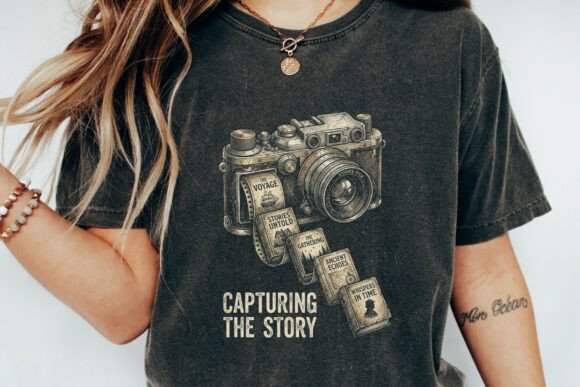
When you look at this specific design asset, the immediate focus is the detailed vintage camera, likely rendered with the intricate linework reminiscent of steampunk or Victorian etchings. However, the true artistry lies in the transformation. The film reels don't just sit inside the mechanism; they morph seamlessly into antique storybooks. This visual metaphor is powerful. It suggests that every photograph is a story waiting to be told, a concept that resonates deeply with audiences who value narrative and history.
The style of the Vintage Camera Storytelling Art relies heavily on texture and dimension. Unlike flat, modern vector icons, this graphic embraces the grain, the shadows, and the "imperfections" of the antique aesthetic. It serves as a premium font for the eyes—a visual typeface that speaks in a dialect of history and craftsmanship. For those working on brand identity, this illustration style conveys authenticity, patience, and a commitment to quality. It feels handcrafted rather than mass-produced, which is a crucial distinction when trying to build trust with a discerning audience.
Strategic Applications: Beyond the T-Shirt
While the file specifications highlight its utility for physical products like t-shirts, mugs, and stickers, the strategic value of this asset extends far beyond merchandise. In editorial design and packaging design, this image can anchor a layout. Imagine a coffee table book cover or a magazine feature about the history of cinema; this graphic provides an immediate focal point that sets the mood. It works exceptionally well as a background element for web design, particularly for photography portfolios or creative agency landing pages, where it can be layered under text to add depth without overwhelming the content.
For social media graphics, the transparent background is a massive advantage. It allows the vintage camera to be overlaid onto various textures—kraft paper, dark wood, or linen—maintaining its artistic integrity regardless of the platform. Marketers and bloggers can use this to create a cohesive visual language for a series of posts about storytelling, memoirs, or photography tips. It acts as a visual anchor, ensuring that even as the copy changes, the brand identity remains consistent and recognizable.
Integrating Typography with Visual Assets
One of the challenges designers face is pairing text with complex imagery. The Vintage Camera Storytelling Art is intricate, which means the typography accompanying it needs to be chosen with care. Because the graphic is organic and detailed, it pairs best with typefaces that offer clean contrast or complementary texture.
For a high-contrast look, a geometric sans serif font works wonders. The clean lines of a sans serif will not compete with the ornate details of the camera, ensuring readability and establishing a clear visual hierarchy. Conversely, if you are leaning fully into the vintage aesthetic, a classic serif font with high legibility can reinforce the historical feel. Avoid overly busy script fonts or handwritten fonts for body copy, as the illustration already provides plenty of visual texture. Instead, save the creative font choices for headlines, allowing the illustration to support the narrative rather than fight against the text.
Technical Precision for Creative Freedom
Practicality is just as important as aesthetics. The asset is delivered as a PNG file with a 300dpi resolution. For the uninitiated, this is the industry standard for print quality. Whether you are using a Cricut or Silhouette cutting machine to create vinyl decals, or you are offset printing a brochure, 300dpi ensures the image remains sharp and pixel-free. The transparent background eliminates the tedious process of clipping paths or masking, saving valuable production time.
This technical specification makes the Vintage Camera Storytelling Art a versatile component in a designer’s toolkit. It is ready to be imported into Illustrator for tracing if a vector version is needed, or it can be placed directly into Photoshop or InDesign for immediate composition. This flexibility is vital for entrepreneurs and small business owners who need to move quickly from concept to execution without getting bogged down in technical troubleshooting.
Evaluating Fit and Audience Engagement
Before incorporating any design asset, it is worth pausing to evaluate the audience fit. This specific graphic appeals to a demographic that values depth, creativity, and history. It is perfect for businesses in the photography sector, certainly, but it also resonates with authors, publishers, antique dealers, and even educational platforms discussing history or media.
Using the Vintage Camera Storytelling Art influences brand perception by signaling that your brand pays attention to the details. It moves a brand away from the "cookie-cutter" look of generic stock imagery and toward a curated, artistic identity. When customers see this level of care in a design, it subconsciously suggests that the same level of care is applied to the product or service being offered. It fosters audience engagement because it invites the viewer to look closer—to notice the film turning into pages, to appreciate the shading, and to connect with the concept of storytelling.
Final Thoughts on Implementation
Ultimately, the success of using the Vintage Camera Storytelling Art lies in restraint and context. It is a strong visual statement. In logo design, it might need to be simplified or used as a secondary emblem rather than the primary wordmark, depending on the complexity required. In large-scale print, the details will shine, allowing the "story" aspect of the design to take center stage. By treating this asset not just as a picture, but as a piece of modern typography in visual form—something that communicates a specific tone and era—you can elevate your projects from simple layouts to compelling narratives.